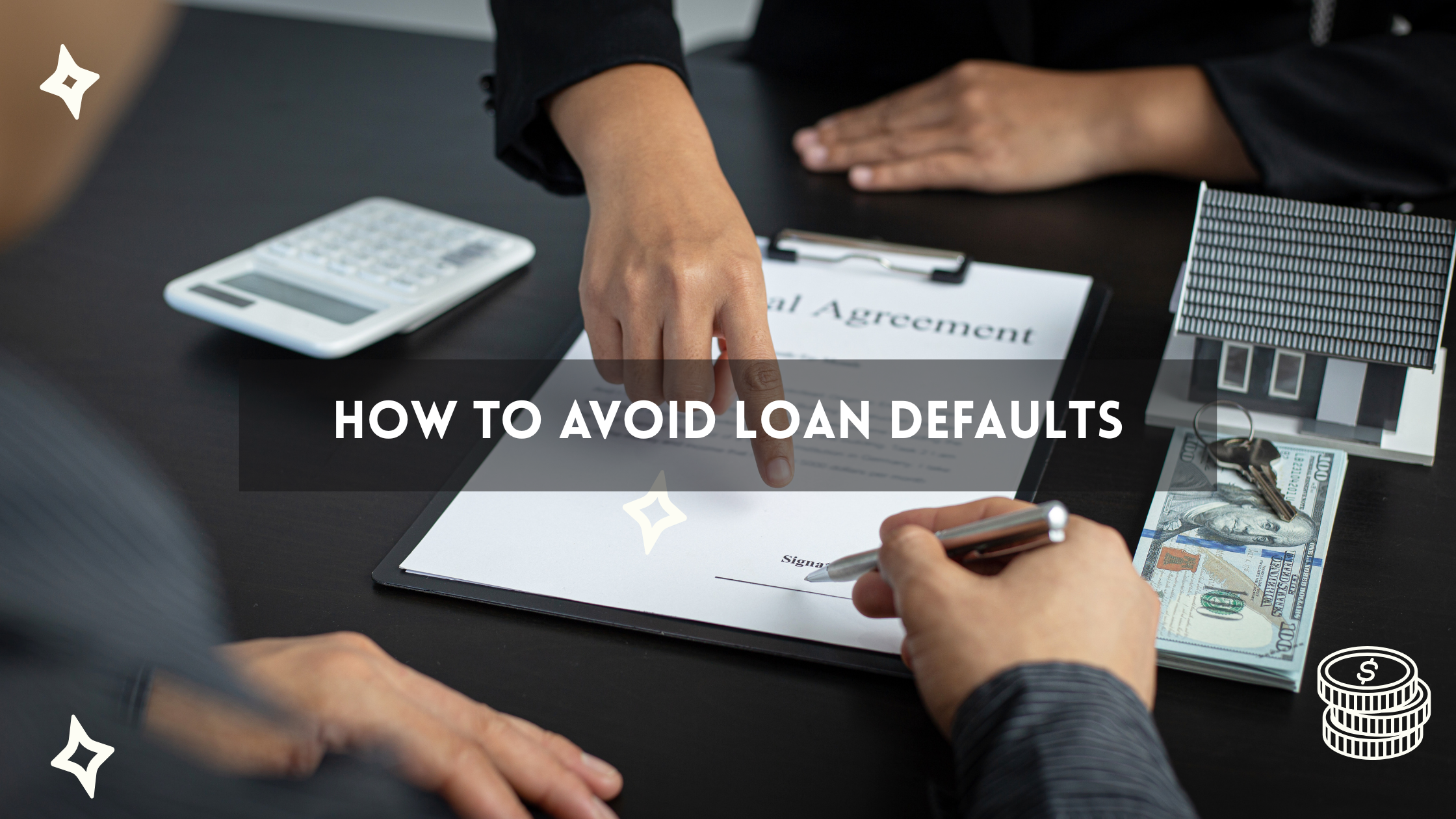
The burden of loan repayment can become overwhelming, leading to loan defaults that can have long-lasting repercussions on one’s financial health. To navigate the complexities of borrowing and ensure timely repayments, it’s essential to understand the factors that contribute to defaults and adopt proactive strategies. This article compiles expert insights and practical tips to help you avoid loan defaults, maintain financial stability, and secure a brighter financial future.
Understanding Loan Defaults: Causes and Consequences
What Constitutes a Loan Default?
A loan default occurs when a borrower fails to make the required payments on their debt, usually after a specified grace period. It’s like ghosting your bank, except they’ll definitely notice. Typically, lenders will start calling you (and maybe showing up in your nightmares) after you’ve missed a few payments.
Common Factors Leading to Defaults
Several factors can lead to loan defaults. Job loss or reduced income tops the list; that unexpected pandemic or layoff can derail even the best-laid plans. Other culprits include high levels of existing debt, lack of financial literacy, and, let’s be real, those pesky impulse purchases that seemed like a great idea at the time.
Impact of Defaults on Credit Score
Defaults can wreak havoc on your credit score, often sending it plummeting like a lead balloon. A default can stay on your credit report for up to seven years, making you look like a risky investment to lenders. This can lead to higher interest rates on future loans or even denial of credit entirely—cue the dramatic music!
Assessing Your Financial Health Before Taking a Loan
Evaluating Your Income and Expenses
Before diving into the deep end of the loan pool, check your financial health. List your income sources and monthly expenses like you’re preparing for a reality TV show. This gives you a clear picture of what you can afford—not just in theory, but in actual dollars and cents.
Understanding Your Debt-to-Income Ratio
Your debt-to-income (DTI) ratio is like your financial report card. It’s calculated by dividing your monthly debt payments by your gross monthly income. Most lenders prefer a DTI of 36% or lower. If your number is higher, it might be time to cut back on those lattes and avocado toast!
Identifying Your Financial Goals
What do you want to achieve with your loan? A new car? A college education? Or perhaps just a clever way to finance that dream vacation? Clear financial goals will help you choose the right loan and avoid diving into debt without a plan.
Choosing the Right Loan: Types and Terms Explained
Secured vs. Unsecured Loans
Secured loans are backed by collateral (like your home or car), meaning if you default, the lender can take your asset. Unsecured loans, on the other hand, are riskier for lenders, which often results in higher interest rates. Think of it as the difference between borrowing your friend’s favorite hoodie (secured) or their vintage record collection (unsecured)—one comes with consequences!
Fixed vs. Variable Interest Rates
Fixed interest rates remain the same throughout the loan term, providing consistency—perfect for those who don’t enjoy surprises. Variable rates can change over time, which can be a thrilling roller coaster ride for some but a total nightmare for others. Choose wisely, or you might end up regretting your decision when the rates skyrocket!
Loan Terms: Finding the Right Fit
Loan terms determine how long you’ll be repaying the loan. Shorter terms mean higher monthly payments but less interest overall—ideal if you can swing it. Longer terms mean smaller payments but more interest, making it feel like you’re paying until the end of time. Analyze your budget and comfort level to decide what’s the best fit for you.
Budgeting for Your Loan Repayments: Tips and Strategies
Creating a Realistic Budget
Crafting a budget doesn’t have to feel like a chore; think of it as planning a delicious meal. Factor in your income, necessary expenses, and don’t forget to leave a little room for fun! A realistic budget should include your loan repayments so they aren’t a surprise guest at your financial party.
Prioritizing Loan Payments in Your Budget
Treat your loan payments like a VIP guest at your financial gathering—don’t neglect their needs! Always prioritize your loan repayments. If you find yourself in a tight spot, cover the important stuff first. Your future self will thank you, and hopefully, your bank won’t take you off their holiday card list.
Using Budgeting Tools and Apps
Take advantage of technology to keep your budget in check. There are countless apps designed to make budgeting fun and manageable. From tracking your expenses to reminding you when a payment is due, these tools can help keep you on the straight and narrow. Just remember, even the best apps can’t help you if you ignore them!
The Importance of Communication with Lenders
When to Reach Out to Your Lender
The earlier, the better! If you’re feeling the financial pinch, it’s crucial to contact your lender as soon as you sense trouble. Whether it’s due to a job loss, unexpected bills, or even a mysterious avocado toast addiction, keep your lender in the loop. Proactive communication shows you’re responsible and willing to find a solution, which can earn you some serious brownie points. Plus, they may even help you adjust your repayment plan before things get serious.
Negotiating Loan Terms and Payment Plans
Don’t be afraid to put on your negotiating hat! Lenders often prefer working with borrowers to find a middle ground rather than facing a default. Whether it’s a lower interest rate, an extended repayment period, or even a temporary payment reduction, don’t hesitate to ask for what you need. And remember, charm goes a long way — so toss in a smile or two (even if it’s over the phone).
Understanding Your Rights as a Borrower
Knowledge is power, my friend. Understanding your rights can help you navigate the sometimes murky waters of borrowing. Familiarize yourself with the Fair Debt Collection Practices Act (FDCPA), which protects you from harassment, as well as other consumer protection laws that apply to your loan. If something doesn’t feel right, raise your voice — you’ve got rights, and you should use them!
Building an Emergency Fund: A Safety Net for Repayments
How Much Should You Save?
The golden rule is to aim for three to six months’ worth of living expenses. Think of it as your financial superhero cape, ready to swoop in when life throws a curveball (or a killer avocado toast bill) your way. Start small if needed — even a few bucks a week can add up faster than your caffeine intake!
Where to Keep Your Emergency Fund
Your emergency fund should be accessible but not too tempting for a spontaneous shopping spree. Consider keeping it in a high-yield savings account that offers decent interest while remaining liquid. This way, your cash can grow a little while waiting for that rainy day — or for when you need to pay off those pesky loan dues.
Strategies for Building Your Fund Quickly
Time to channel your inner savings ninja! Consider setting up automatic transfers from your checking account to your emergency fund each payday. You can also sell items you don’t need or pick up a side gig (hello, freelance cat whispering!). Every little bit helps, and soon you’ll be padding that fund like a pro.
Seeking Professional Advice: When to Consult a Financial Expert
Types of Financial Advisors Available
The financial world is filled with experts — from certified financial planners to investment advisors and debt counselors. Each type has its specialty, so think about your needs. Are you drowning in debt or looking to boost your investments? Find the right professional for your specific situation, and you’ll be golden.
What to Look for in a Financial Advisor
Look for someone who speaks your language — the human language, that is! You want an advisor who explains things in simple terms and is genuinely interested in helping you reach your goals. Check their credentials, experience, and reviews. Bonus points if they can make budgeting sound a little less like a root canal!
Cost Considerations for Professional Help
Financial advice can range from free workshops to pricey hourly rates. Some advisors operate on a commission basis, while others may charge a flat fee. Understand how they get paid, and don’t hesitate to ask for a clear breakdown of costs. Remember, you’re not just buying advice — you’re investing in your financial future!
Long-term Strategies to Maintain Financial Stability
Regularly Reviewing and Adjusting Your Budget
Your budget shouldn’t be a one-and-done situation — it’s more like a relationship that needs regular check-ins. Review your budget monthly (or even weekly) to see where adjustments may be necessary. Life changes, and so should your budget, so keep it flexible and responsive to your needs!
Diversifying Your Income Sources
Don’t put all your eggs in one basket, especially when it comes to income! Explore side gigs, freelance work, or even investing in rental properties. Having multiple streams of income not only boosts your financial security but can also cushion you against unforeseen expenses or job loss.
Continuous Financial Education and Resources
The financial world is ever-evolving, so make it a point to keep learning. Read books, follow personal finance podcasts, or take online courses to stay informed. With each new piece of knowledge, you’ll be better equipped to make solid financial decisions, and you might even impress a few friends with your newfound expertise!By implementing the strategies outlined in this article, you can significantly reduce the risk of loan defaults and protect your financial well-being. Staying informed, budgeting wisely, and maintaining open communication with your lenders are key steps in managing your loans effectively. Remember, taking proactive measures today can lead to a more secure financial future, allowing you to focus on achieving your goals without the stress of overwhelming debt.
Frequently Asked Questions
What should I do if I’m struggling to make my loan payments?
If you’re having difficulty making your loan payments, it’s crucial to communicate with your lender as soon as possible. They may offer options like restructuring your payment plan or providing a temporary forbearance. Additionally, reviewing your budget and seeking financial advice can help you find ways to manage your expenses better.
How can I improve my credit score to qualify for better loan terms?
To improve your credit score, consistently pay your bills on time, reduce your credit card balances, and avoid taking on new debt. Checking your credit report for errors and disputing any inaccuracies can also help enhance your score, making you eligible for more favorable loan terms in the future.
Is it better to take a secured loan or an unsecured loan?
The choice between a secured and unsecured loan depends on your financial situation. Secured loans typically offer lower interest rates but require collateral, which poses a risk of losing your asset if you default. Unsecured loans do not require collateral, but they often come with higher interest rates. Assess your risk tolerance and repayment ability before making a decision.
How much should I set aside in an emergency fund for loan repayments?
Financial experts generally recommend having three to six months’ worth of living expenses saved in your emergency fund. This amount can vary based on your personal circumstances and job stability. Ensuring you have adequate savings can provide a buffer against unexpected financial challenges and help you maintain your loan repayments.
Leave a Reply