
In this guide, we want to show you strongest immune boosting foods that will supercharge your immune system and will keep your inflammation under control before you head into the cold months when viruses thrive.
Most people don’t start thinking about their immune system until they’re already sick or they’re in the middle of the flu season. But building a strong immunity doesn’t happen overnight or even a week. Just like training your muscles or training for a marathon, it takes months to fix and charge your immune system.
So if you want to catch less colds or stay healthy this upcoming winter, we need to set the foundational pieces right now during the summer.
And by the way, fixing your immune system, it’s not just for infections. Your immune system is your number one defense against cancers. And a healthy immune system helps with inflammation and aging and even metabolism.
The main emphasize is looking at how specific compounds in real food affect your immune cells, like your T-cells and your macrophages and your dendritic cells. And most importantly, how all of the cells communicate with each other as they fight off infections and repair cellular damage. And this is important.
What we don’t want you to take away from this guide is just eat more fruits and vegetables, because that’s not the point. Instead, what we want is a targeted approach in optimizing every component of a healthy immune system, because different foods affect different pathways.
And for some of these foods, it may take weeks and even months before you see any effects.
Strongest Immune Boosting Foods
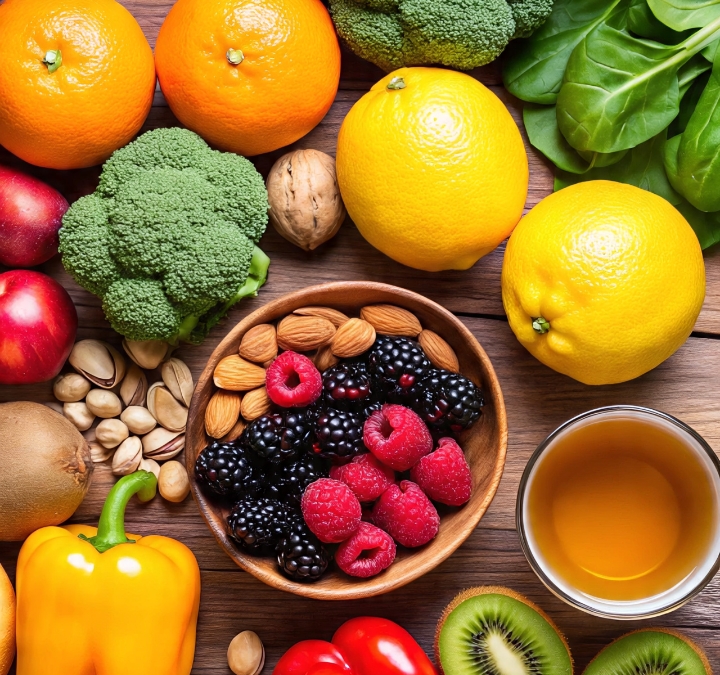
Berries
So, the absolute favorite food to boost your immune system is berries.
These berries include, blueberries and blackberries and raspberries and strawberries.
The Secret Behind Berry Power
The reason they’re so effective in supporting your immune system is they’re rich in anthocyanins and ellagic acid, which are very potent antioxidants. But they’re not your run-of-the-mill antioxidants.
What they’re really doing is affecting a process called cytokine signaling, which is how cells within your immune system talk to each other when there’s a problem. And these cytokines are tiny proteins that are made by your cells in your immune system. And these cytokines are released when your cells encounter a virus or an abnormal cell, like a cancerous cell.
So, they act like little messengers, and they spread the word to other cells. And they tell them things like, hey, we got this intruder, and this is what they look like. Come help us.
So, cytokine signaling, basically, it’s your immune system version of texting and coordinating with other cells to mount an effective response.
Benefits of Anthocyanins to the Immune System
These anthocyanins, they perform two very important jobs for us.
- They pump out natural killer cells, which is your basic first line of defense against viruses.
- They actually suppress part of your immune system that causes inflammation. So, they suppress inflammatory cytokines like TNF-alpha and IL-6 and IL-1-beta. And this is important because too much inflammation, which is what happens when your immune system overreacts, it causes a lot of collateral damage.
So, in the ideal world, when your immune system is working perfectly, the infection gets identified and eradicated quickly without causing too big of an immune response.
But if this doesn’t happen quickly, and if your immune system gets too worked up, well, this is what leads to prolonged cold and prolonged sickness, because chronic inflammation can actually be harmful and makes your immune system weaker long-term.
And we have randomized control trials that show that just six weeks of blueberry powder increased natural killer cell counts.
Then there’s other studies like this one that showed that 250 grams of blueberries per day for six weeks not only increased natural killer cell counts, but the treatment group also showed reduced oxidative stress and reduced inflammatory cytokines.
All good things when it comes to a good immune system. So, you should try to eat at least one to two cups of fresh berries every day, and you should rotate between different types of berries to get a rich mix of antioxidants.
Alternative to Maximize Berries Benefits
And the way to think about it is blueberries probably have the highest number of anthocyanins, and blackberries and raspberries are also rich in ellagic acid, which is another potent antioxidant.
And by the way, raspberries and blackberries also have the highest fiber content, probably double the fiber of blueberries. So, you should eat more of those if you also need to get your fiber up.
Mushrooms
Mushrooms are essential to maintaining a healthy immune system and are very powerful immune modulators. So, they work by acting on your innate immunity, or your body’s first line of defense.
The mushrooms that are especially helpful when it comes to your immune system are your reishi mushrooms and shiitake mushrooms.
What sets them apart is they’re both rich in beta-glucans, which are two very important immune processes. So, they do things like antigen presentation, and they involve a process called cytokine priming.
What that means is beta-glucans connect to certain parts of your immune cells, kind of like a key that fits into a lock, and that’s what activates these immune cells and makes them more effective at spotting and attacking intruders.
Just like berries, they also boost your natural killer cell counts, but they do so much more. These mushrooms also boost a special component of your immune system called IgA in your gut and in your lungs, which makes it the perfect tool to fight off your most common viruses, which either come from your respiratory tract or your GI tract.
We have studies that show that a reishi mushroom extract can actually increase your T cell proliferation. And when it comes to shiitake mushrooms, well, they’re also an excellent source of vitamin D, which is another requirement for maintaining a healthy immune system.
Because it takes at least six to eight weeks to boost certain parts of your immune system, we have to start incorporating mushrooms into your diet at least a couple of months before the cold season.
Now, with reishi mushrooms, it’s actually taken as a powder or as a supplement, so the access to a quality ingredient may be a little tricky in the US. But shiitake mushrooms are very versatile, so you can add them as part of any dish. And I would try to just incorporate them into one of your meals at least once a week.
Cruciferous Vegetables
cruciferous vegetables are extremely important in maintaining a healthy immune response. So that would be things like broccoli or cauliflower or cabbage or brussels sprouts. And that is because these cruciferous vegetables are rich in vitamin A and vitamin C, all important components of a healthy immune response.
But that’s not even the best part. These vegetables are also rich in sulforaphane, which is a natural plant compound that can help with oxidative stress and it can help with suppressing viral inflammation. And once again, when it comes to our immune function, it’s important for the immune system to identify problems early and target your pathogens accurately without overreacting or causing too much of where your organs get caught up as part of collateral damage.
It’s this exact overreaction is what causes the morbidity and mortality with some of these viral infections. And we saw that a lot with COVID, where the virus itself really wasn’t a problem, but it was the inappropriate and dysregulated response by your own immune system that actually caused the cytokine storm and the severe damage that we saw with bad COVID cases.
Now, the benefits that we get from sulforaphane, they come through gene expression. So it may take several weeks of consistent intake of these vegetables to fully ramp up the activation of these antioxidant enzymes.
But the good news is once these enzymes like Nrf2 are activated, well, then you get almost immediate protection. In fact, there are studies that show that sulforaphane can induce cellular defenses within just 30 minutes in human bronchial epithelial cells.
So it’d be very important to continue eating these vegetables all throughout the year to maintain their protection.
Garlic and Onion
Garlic and onion helps quite a bit and are amazing not just for their flavor, but these two foods improve your innate immune cell activation.
They do it in their own different ways. So when you crush or chop garlic, something amazing happens. It produces a compound called allicin, which is actually garlic’s own defense system.
But as it turns out, it can also help our body fight off infections. So allicin is like a natural antibiotic. But unlike antibiotics, allicin doesn’t just kill bacteria.
It primes your immune system to respond to infections faster. So it boosts the activity of macrophages, which are like your little vacuum cleaners that just gobble up viruses and bacteria. And allicin also supports your natural killer cells, which as I mentioned is your guard at the door, your first line of defense.
But here’s the catch. Allicin is strongest in raw garlic. So if you cook it too much, well then allicin starts to break down and lose its medicinal properties.
So the trick to use is you gotta chop the garlic and let it sit for 10 minutes and then add it to your dish at the end of preparation. Or better yet, try to eat it raw so you can mix it in salad dressing or hummus or as part of a sauce to a meat dish.
We have studies like this randomized control trial that showed that the group that took garlic extract for 90 days had reduced cold and flu severity with a reduction in symptoms and reduction in the number of work or school days missed.
But once again, this was three months of consistent garlic intake. So you have to start now during the summer before the cold season starts in the fall.
Now when it comes to onions, they’re also rich in allicin just like garlic. But what makes onions special is they’re also full of quercetin, which is a plant chemical that is incredibly anti-inflammatory.
So it reduces inappropriate inflammation and it can block viruses from multiplying. And just like with garlic, you get the most benefits if you eat onions raw or just lightly cooked.
Turmeric
Turmeric and more specifically curcumin, which is amazing when it comes to inflammation. And there’s lots of evidence that shows that curcumin helps with arthritis and insulin resistance and fatty liver.
But curcumin is also a regulator of inflammatory gene expression.So it doesn’t block viruses or bacteria from entering the host or your cells. But what it does is prevents your immune system from overreacting and causing too much inflammation.
Now the tricky part with curcumin is it doesn’t really absorb all that well when we eat it. So it helps to combine it with black pepper and you get the best absorption when you consume it with a fatty meal.
Green Tea
Green tea is actually not a food but a drink and is one of the best drinks you’re going to have to maintain a healthy immune system. Because green tea is a great source of epigallocatechin gallate, or EGCG, which is a polyphenol and a powerful antioxidant.
So just like the foods on our list, green tea is really good at activating our frontline defenders, like your natural killer cells and your T cells, which are primarily tasked with fighting off viruses.
But on top of that, they also have a protective antioxidant effect that protects your cells against damage from your own immune system. And there’s a small randomized control trial from Japan that showed that consuming beverages with a high catechin concentration, like green tea, showed reduced durations of runny nose and nasal congestion and headaches compared to placebo.
Spinach and Collard Greens
Now, one important food group that is absolutely essential for a well-functioning immune system are your spinach and collard greens, or any other type of leafy greens, because they provide the foundational nutrients and minerals for your immune system to run smoothly.
They act like maintenance crew at a factory. And without them, the machines slow down and they accumulate wear and tear until the production finally stops. And the most important nutrients that need to keep things running smoothly would be things like folate and magnesium and vitamin K1 and vitamin C, which are all found in mostly leafy greens, but especially spinach and collard greens.
So folate is essential for a process called DNA methylation, which helps with the production of T cells. And magnesium plays an important role in protecting your immune mitochondria so that your immune system have enough energy to function properly and fight off infections.
The nice thing is, it really doesn’t take much to get enough of these nutrients. So all you need is just one or two servings of these leafy greens per day, and that can make a big difference down the road.
Conclusion
If we want to avoid colds and flu during the fall/winter seasons, we have to start working on boosting our immune system now, as this process may take months.
This guide put out the strongest immune boosting foods you need to start eating now to avoid infections this winter